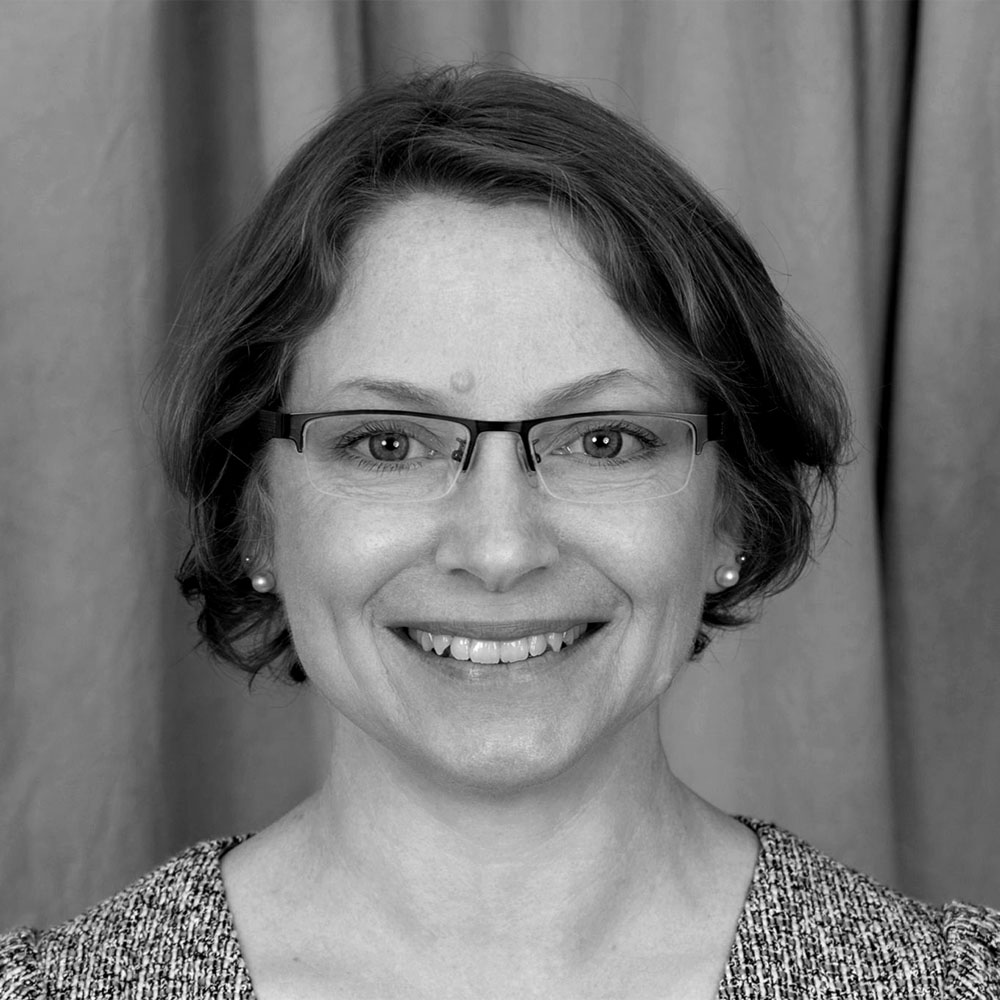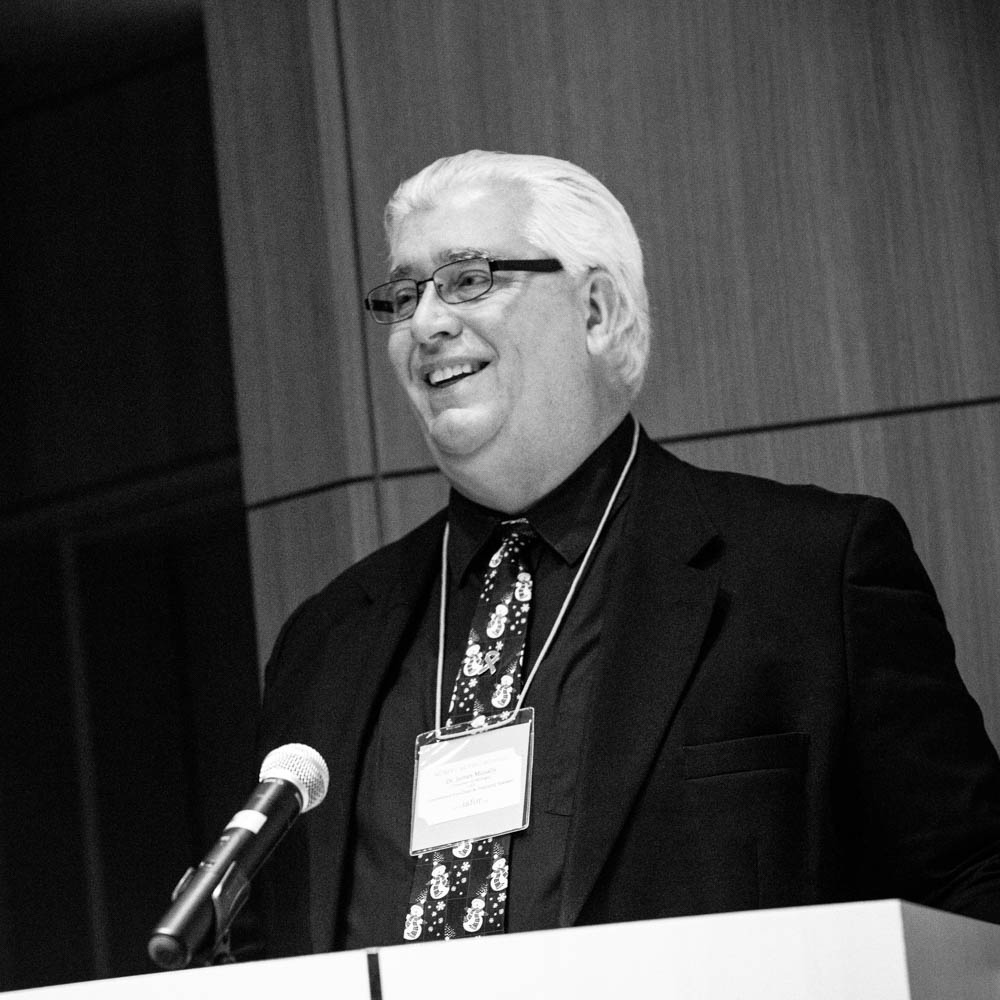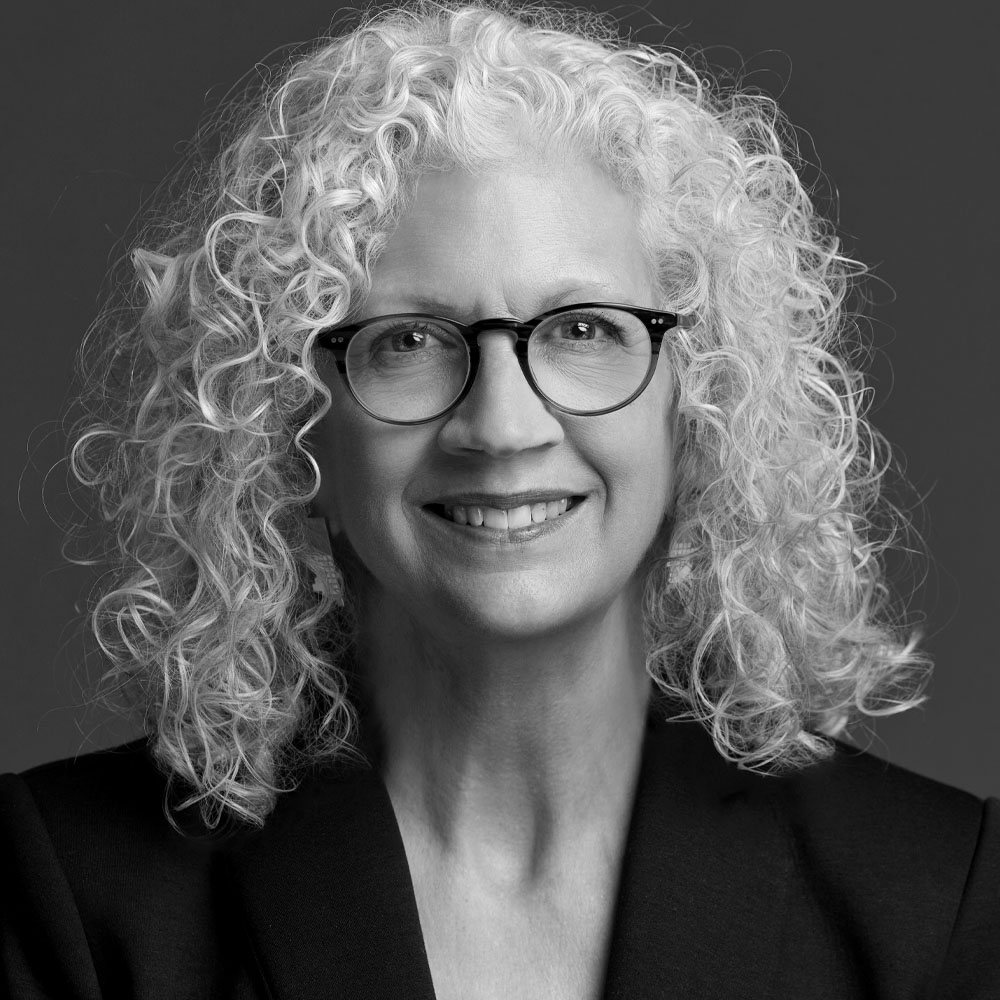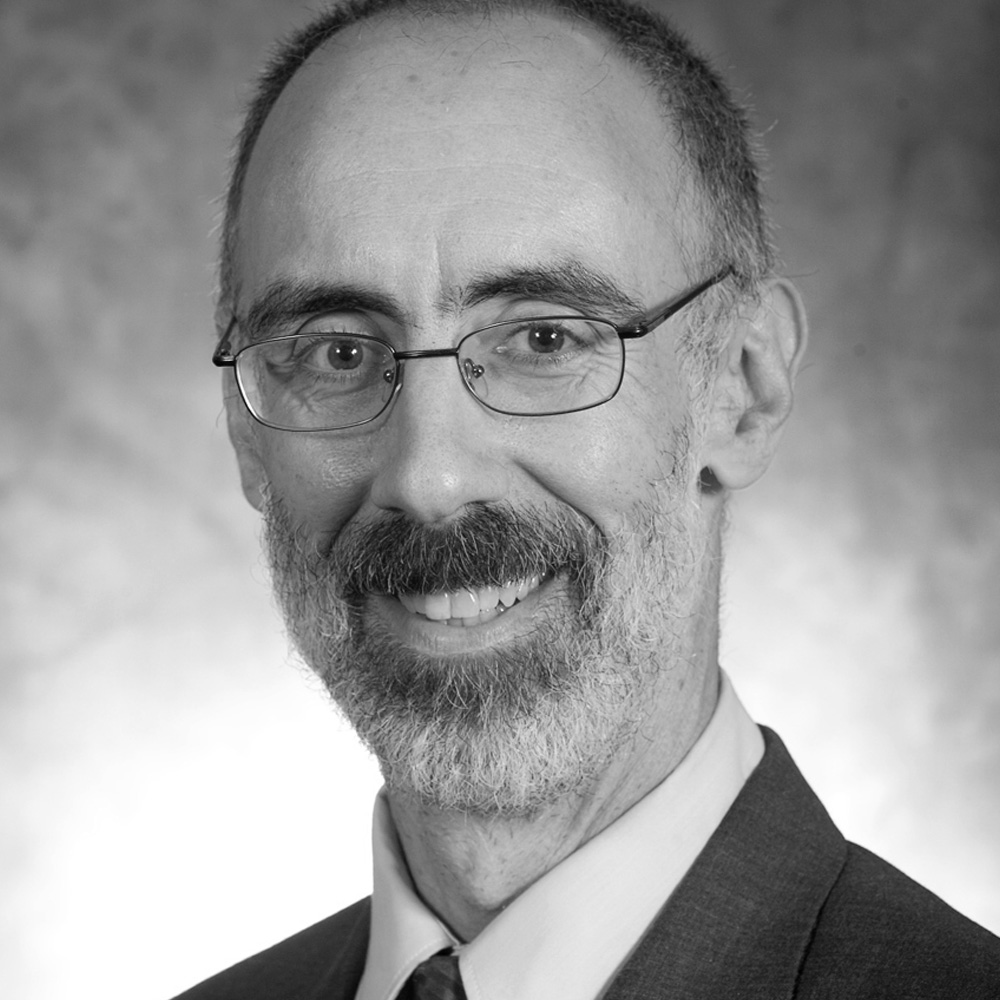
Speakers at The Washington Conference on the Social Sciences (WCSS) will provide a variety of perspectives from different academic and professional backgrounds. This page provides details of featured presentations, the conference schedule and other programming. For more information about presenters, please visit the Speakers page.
Conference Outline
Conference Venue: Walter E. Washington Convention Center
16:30-17:00: Conference Check-in | Room 151B (1F)
17:00-17:45: Orientation Session for First Time Presenters | Room 151B (1F)
Matthew Chima, IAFOR, Japan
Melina Neophytou, IAFOR, Japan
This session provides an overview of what to expect at the conference, including guidance on preparing your presentation, publishing opportunities, and ways to engage with IAFOR.
Conference Venue: Walter E. Washington Convention Center
All times are Eastern Daylight Time (UTC-4)
09:00-10:00: Conference Check-in & Coffee | Room 151B (1F)
10:00-10:35: Welcome Address & Recognition of IAFOR Scholarship Winners | Room 151A (1F) & Online
Joseph Haldane, IAFOR, Japan
10:40-11:05: Keynote Presentation | Room 151A (1F) & Online
Creating the Democratic Civic University Through Local Engagement in a Time of Crisis
Ira Harkavy, University of Pennsylvania, United States
11:05-11:15: Q&A
11:20-11:45: Keynote Presentation | Room 151A (1F) & Online
Beyond Productivity: Why the Future of AI in Education Must Be Human-Centric
James M. Pitarresi, Binghamton University, United States
11:45-12:00: Q&A
12:00-12:10: Conference Photograph
12:10-13:45: Extended Break
13:45-14:45: Featured Panel Presentation | Room 151A (1F) & Online
Fostering University and Community Collaboration in Schools: Lessons from the US
Cory Bowman, University of Pennsylvania, United States
Luann F. Kida, Binghamton University, United States
Laura Ogburn, University of Pennsylvania, United States
Naorah Rimkunas, Binghamton University, United States
Laura R. Bronstein, Binghamton University, United States (Moderator)
14:50-15:50: Featured Panel Presentation | Room 151A (1F) & Online
Campus, Community, and Citizenship
Julie Baer, Institute of International Education, United States
Laura R. Bronstein, Binghamton University, United States
Caroline Donovan White, NAFSA: Association of International Educators, United States
Susan Piedmont-Palladino, Washington-Alexandria Architecture Center, United States
Anne Boddington, IAFOR, Japan (Moderator)
16:00-17:00: Welcome Reception & Conference Poster Session | Room 151B (1F)
Conference Venue: Walter E. Washington Convention Center
All times are Eastern Daylight Time (UTC-4)
08:45-09:15: Conference Check-in | Room 151B (1F)
09:10-09:40: Flash Presentations | Room 151B (1F)
Maximise your visibility with the opportunity to promote and showcase your research highlights. Simultaneously, you will gain a comprehensive overview of other presenters, helping you identify potential collaborators and must-see sessions.
09:45-10:35: Featured Interview Session | Room 151A (1F)
From Campus to Community: WAAC’s Urban Model of Engagement
Susan Piedmont-Palladino, Washington-Alexandria Architecture Center, United States
Anne Boddington, IAFOR, Japan
10:40-11:40: The Forum | Room 151A (1F)
International Education in a Fragmenting World
Benjamin D. Huffman, University of Maryland, United States (Respondent)
Melina Neophytou, IAFOR, Japan (Moderator)
The Forum is a plenary session designed as a platform for international, intercultural, interdisciplinary – and inclusive – discussions, joining experts and practitioners alike in an open dialogue format. Come share your thoughts and experiences as global educators and researchers.
11:40-12:10: Networking Coffee Break
12:10-13:00: Featured Roundtable Session | Room 151A (1F)
Senior Academic Leadership
Anne Boddington, IAFOR, Japan
Donald E. Hall, Binghamton University, United States
Joseph Haldane, IAFOR, Japan (Moderator)
14:00: Hard Hat Tour of the Washington-Alexandria Architecture Center (WAAC)
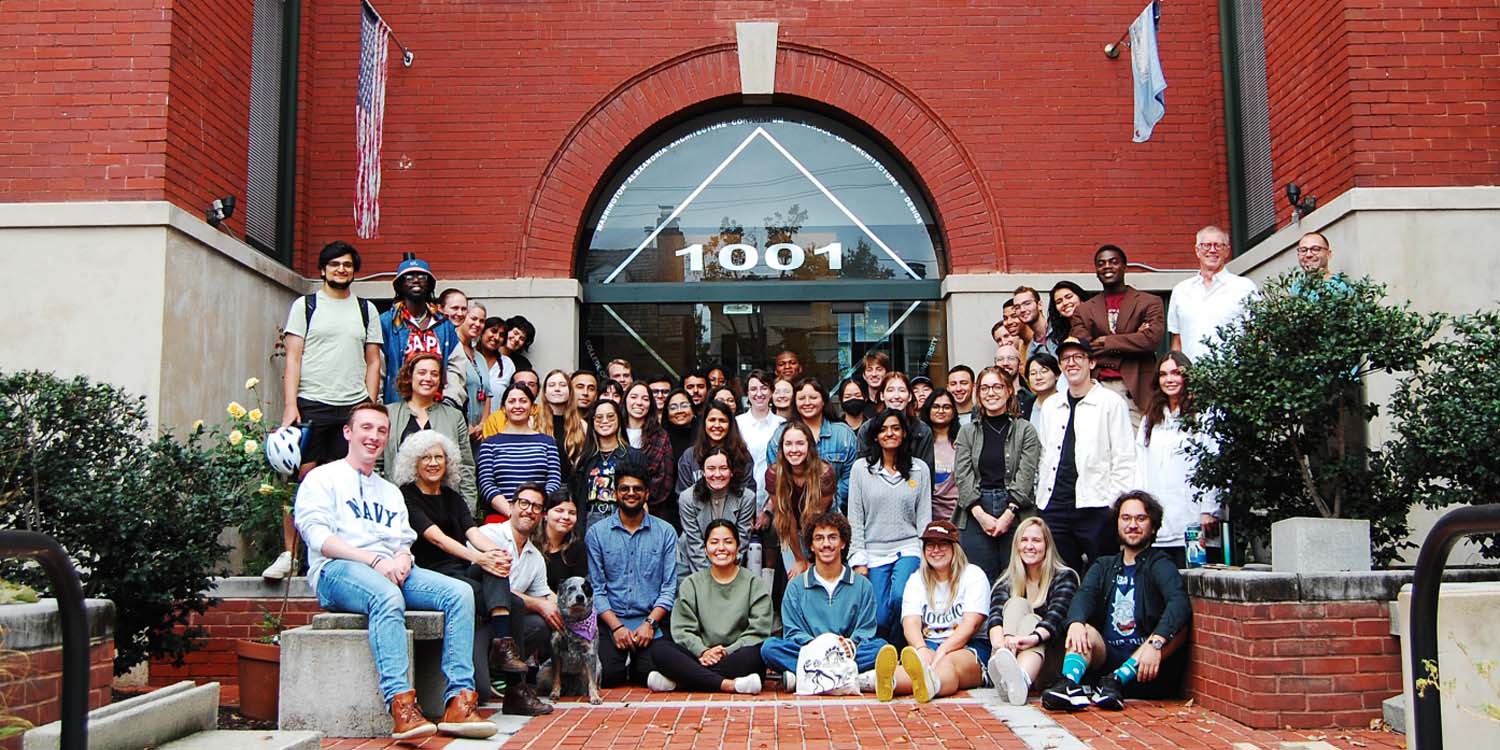
Since 1980, the Washington-Alexandria Architecture Center (WAAC) has served as an urban extension of the Virginia Tech School of Architecture. The WAAC began with a straightforward mission: to use the city as a laboratory and classroom, an immersive environment in which to learn about architecture, the city, and life. Located in historic Alexandria, Virginia, less than eight miles from Washington DC, the WAAC offers a unique professional learning environment with an individual focus.
In this one-hour tour, participants will learn about the undergraduate architecture programme curriculum and pedagogy, get a tour of the WAAC’s spaces and workshops, and have time to ask questions.
Registration for this tour is free of charge, but pre-registration is required in order to participate.
Conference Venue: Walter E. Washington Convention Center
All times are Eastern Daylight Time (UTC-4)
08:30-09:00: Conference Check-in | Room 149A (1F)
09:00-10:00: Featured Panel Presentation | Room 144C (1F)
From the Margins to the Mission: Advancing Comprehensive Internationalisation
Caroline Donovan White, NAFSA: Association of International Educators, United States
Dale LaFleur, NAFSA: Association of International Educators, United States
Jiangyuan (JY) Zhou, James Madison University, United States
Dorothea J. Antonio, NAFSA: Association of International Educators, United States (Moderator)
10:00-10:30: Networking Coffee Break
10:30-12:10: Onsite Parallel Session 1
Room 143A (1F): WCE | Professional Training, Development & Concerns in Education
Room 143B (1F): WCE | Special Education, Learning Difficulties & Disability
Room 143C (1F): WCE | Teaching Experiences, Pedagogy, Practice & Praxis
Room 144A (1F): WCE | Implementation & Assessment of Innovative Technologies in Education
Room 144B (1F): WCSS | Globalisation & Internationalisation
Room 144C (1F): WCSS | Technology & Sociology
12:10-12:40: Extended Break
12:40-13:55: Onsite Parallel Session 2
Room 143A (1F): WCE | Strategies for Dissertation Completion (Workshop)
Room 143B (1F): WCE | Reframing Inclusion as Collaboration, Not Compliance (Workshop)
Room 143C (1F): WCE | Teaching Toward Justice and Joy (Workshop)
Room 144B (1F): WCSS | Globalisation & Internationalisation
Room 144C (1F): WCSS | Social History
13:55-14:10: Coffee Break
14:10-15:50: Onsite Parallel Session 3
Room 143A (1F): WCE | Educational Research & Development
Room 143B (1F): WCE | Primary & Secondary Education
Room 143C (1F): WCE | Teaching & Learning Experiences
Room 144A (1F): WCE | Implementation & Assessment of Innovative Technologies in Education
Room 144B (1F): WCE | Foreign Languages Education & Applied Linguistics
Room 144C (1F): WCSS | Environmental & Health Sciences
15:50-16:05: Break
16:05-17:45: Onsite Parallel Session 4
Room 143A (1F): WCE | Professional Training, Development & Concerns in Education
Room 143B (1F): WCE | Higher Education
Room 143C (1F): WCE | Teaching & Learning Experiences
Room 144A (1F): WCE | Curriculum Design & Development
Room 144B (1F): WCE | Foreign Languages Education & Applied Linguistics
Room 144C (1F): WCSS | Interdisciplinary Perspectives on Sustainability Issues
Conference Venue: Walter E. Washington Convention Center
All times are Eastern Daylight Time (UTC-4)
08:30-09:00: Conference Check-in | Room 149A (1F)
09:00-09:45: Featured Workshop Session | Room 144C (1F)
Preparing a Grant Application: Achieving Gold Standard Science
James W. McNally, National Institute of Aging, United States
09:45-10:15: Networking Coffee Break
10:15-11:55: Onsite Parallel Session 1
Room 143A (1F): No sessions
Room 143B (1F): WCSS | Sustainability Issues in Education
Room 143C (1F): WCE | Education, Sustainability & Society
Room 144A (1F): WCSS | Politics, Public Policy, Law & Criminology
Room 144B (1F): WCSS | Ethnicity, Difference, Identity
11:55-12:25: Extended Break
12:25-13:40: Onsite Parallel Session 2
Room 143A (1F): WCE | Educational Policy, Leadership, Management & Administration
Room 143B (1F): No sessions
Room 143C (1F): WCE | Innovation & Technology (Workshop)
Room 144A (1F): WCSS | Immigration, Anthropology and Humanities
Room 144B (1F): WCSS | International Relations & Human Rights
13:40-13:55: Coffee Break
13:55-15:35: Onsite Parallel Session 3
Room 143A (1F): WCE | Educational Policy, Leadership, Management & Administration
Room 143B (1F): WCE | Challenging & Preserving: Culture, Inter/Multiculturalism & Language
Room 143C (1F): No sessions
Room 144A (1F): WCSS | Politics, Public Policy, Law & Criminology
Room 144B (1F): WCSS | Journalism and Communications
15:40-15:55: Onsite Closing Session | Room 143A (1F)
Venue: Online via Zoom
All streamed presentation times are Eastern Daylight Time (UTC-4)
Use the time converter tool to show times in your timezone.
17:55-18:00: Message from IAFOR
18:00-19:00: Online Forum | Live-Stream Room 1
International Education in a Fragmenting World
Apipol Sae-Tung, IAFOR, Japan (Online Moderator)
19:00-19:15: Break
19:15-20:30: Online Parallel Session 1
Live-Stream Room 1: WCSS | Sociology & Anthropology
Live-Stream Room 2: WCSS/WCE | Teaching & Learning Experiences
20:30-20:40: Break
20:40-21:55: Online Parallel Session 2
Live-Stream Room 1: WCSS | International Relations & Human Rights
Live-Stream Room 2: WCE | Innovation & Technology
21:55-22:05: Break
22:05-23:45: Online Parallel Session 3
Live-Stream Room 1: WCSS | Politics, Anthropology & Psychology
Live-Stream Room 2: WCE | Teaching Experiences, Pedagogy, Practice & Praxis
23:45-23:50: Message from IAFOR
The above schedule may be subject to change.
Featured Speakers
-
 Dorothea AntonioNAFSA: Association of International Educators, United States
 -
Julie BaerInstitute of International Education, United States
-
Anne BoddingtonIAFOR, Japan
-
Laura BronsteinBinghamton University, United States
-
Cory BowmanUniversity of Pennsylvania, United States
-
Joseph HaldaneIAFOR, Japan
-
Donald E. HallBinghamton University, United States
-
Ira HarkavyUniversity of Pennsylvania, United States
-
Benjamin D. HuffmanUniversity of Maryland, United States
-
Luann F. KidaBinghamton University, United States
-
Dale LaFleurNAFSA: Association of International Educators, United States
-
James W. McNallyNational Institute of Aging, United States
-
Laura OgburnUniversity of Pennsylvania, United States
-
Susan Piedmont-PalladinoVirginia Tech, United States
-
James M PitarresiBinghamton University, United States
-
Naorah RimkunasBinghamton University, United States
-
Caroline Donovan WhiteNAFSA: Association of International Educators, United States
-
Jiangyuan (JY) ZhouJames Madison University, United States





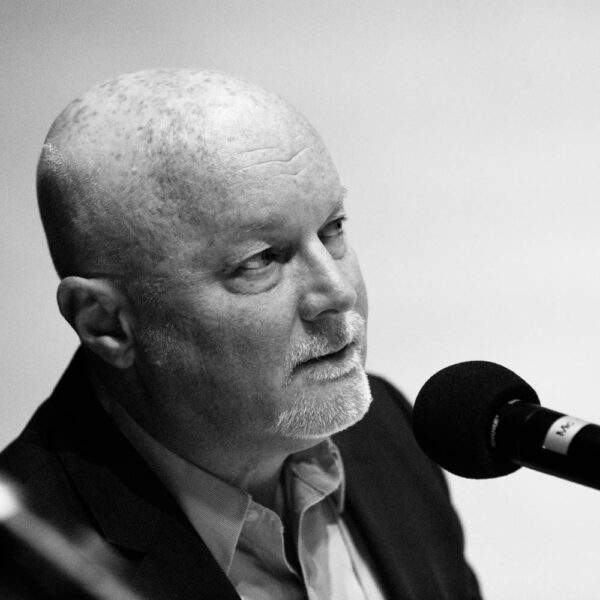


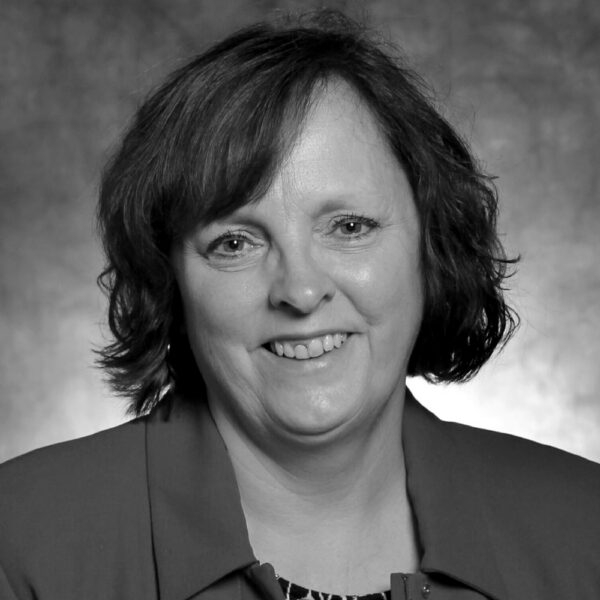

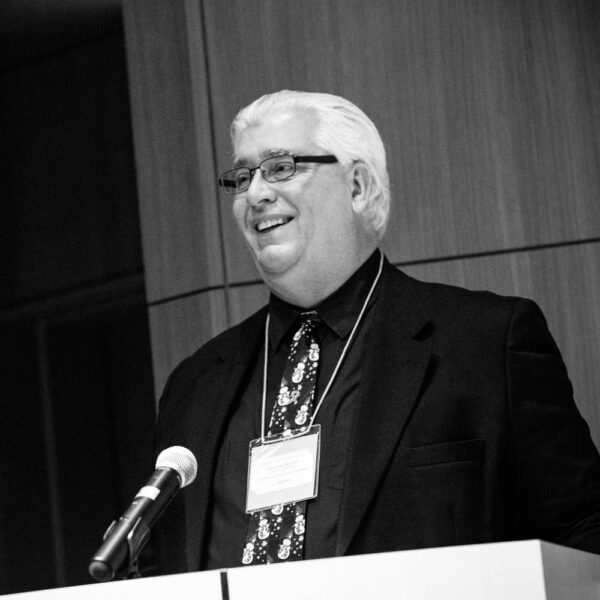


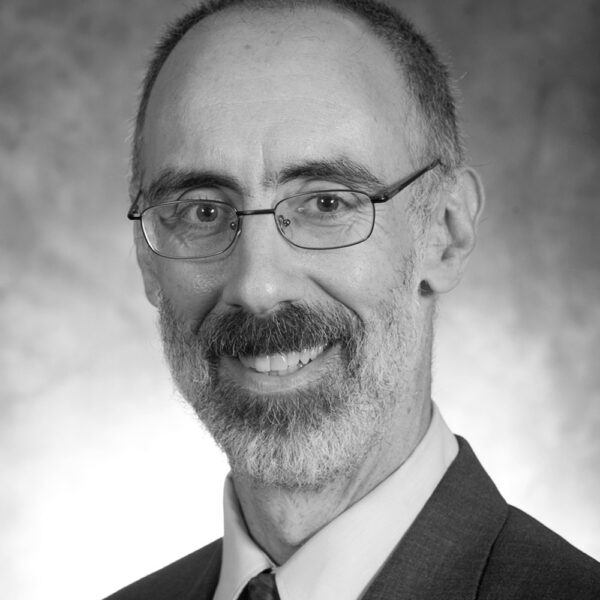


Featured Presentations
-
Creating the Democratic Civic University Through Local Engagement in a Time of CrisisKeynote Presentation: Ira Harkavy
-
Beyond Productivity: Why the Future of AI in Education Must Be Human-CentricKeynote Presentation: James Pitarresi
-
Fostering University and Community Collaboration in Schools: Lessons from the United StatesPanel Presentation: Naorah Rimkunas, Luann Kida, Cory Bowman, Laura Bronstein
-
Campus, Community, and CitizenshipPanel Presentation: Caroline Donovan White, Susan Piedmont-Palladino, Anne Boddington
-
From Campus to Community: WAAC’s Urban Model of EngagementFeatured Interview: Susan Piedmont-Palladino, Anne Boddington
-
International Education in a Fragmenting WorldThe Forum: Benjamin D. Huffman, Melina Neophytou, Apipol Sae-Tung
-
Senior Academic LeadershipFeatured Workshop: Anne Boddington, Joseph Haldane, Donald E. Hall
-
From the Margins to the Mission: Advancing Comprehensive InternationalisationPanel Presentation: Dale LaFleur, Caroline Donovan White, Jiangyuan (JY) Zhou, Dorothea J. Antonio
-
Preparing a Grant Application: Achieving Gold Standard ScienceFeatured Workshop Session: James W. McNally



Accepted Presentations
One of the greatest strengths of IAFOR’s international conferences is their international and intercultural diversity.
As of January 10, 2026, the conference has received over 260 submissions from 47 countries and territories - including: the Philippines, the United Arab Emirates, Canada, South Africa, the United Kingdom, and the United States.
Conference Programme & Abstract Book
The online version of the Conference Programme is now available to view below via the Issuu viewing platform. Alternatively, download a PDF version. The Conference Programme can also be viewed on the Issuu website (requires a web browser). An Issuu app is available for Android users.
The Conference Programme contains access information, session information and a detailed day-to-day presentation schedule.
Pre-Recorded Virtual Presentations
A number of presenters have submitted pre-recorded virtual video presentations. We encourage you to watch these presentations and provide feedback through the video comments.
.Important Information Emails
All registered attendees will receive an Important Information email and updates in the run-up to the conference. Please check your email inbox for something from "iafor.org". If you can not find these emails in your normal inbox, it is worth checking in your spam or junk mail folders as many programs filter out emails this way. If these did end up in one of these folders, please add the address to your acceptable senders' folder by whatever method your email program can do this.